Older homes often carry a unique charm—solid craftsmanship, distinctive architectural details, and a sense of history that newer builds may lack. However, beneath that character can lie outdated electrical systems that were never designed to support modern energy demands. As appliances, electronics, and smart home devices become standard in everyday life, aging wiring and panels can struggle to keep up. Understanding the most common electrical problems in older homes and how experts fix them is essential for maintaining safety, efficiency, and long-term property value.
Electrical issues in older properties are not just inconvenient—they can pose serious fire hazards and safety risks. Many homes built decades ago were designed for minimal electrical loads, often supporting only a few major appliances and limited lighting. Today’s households depend on far more power. Without upgrades and proper maintenance, outdated systems may fail under pressure. Fortunately, experienced Nash Electric LLC has the tools and knowledge to identify weaknesses and implement effective solutions.
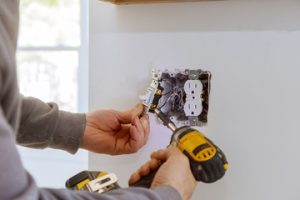
Outdated Electrical Panels
One of the most common electrical problems in older homes involves outdated electrical panels. Older panels often lack the capacity required to handle modern electrical usage. In some cases, they may rely on fuse boxes rather than circuit breakers, which can be less convenient and less adaptable as power needs increase.
Signs of an outdated panel include:
- Frequently blown fuses or tripped breakers
- Flickering lights during appliance use
- Limited available breaker slots
- Overheating or buzzing sounds from the panel
Electrical experts typically resolve these issues through panel upgrades. Replacing an outdated panel with a modern breaker system increases capacity, improves safety, and allows room for future expansion. Upgraded panels also provide better protection against overloads and short circuits.
Insufficient Electrical Capacity
Many older homes were built with 60-amp or 100-amp service, which may not meet today’s household demands. Modern living often requires 200-amp service or more, especially if the property includes large appliances, HVAC systems, or electric vehicle charging stations.
When electrical capacity is insufficient, homeowners may experience:
- Repeated circuit overloads
- Warm or discolored outlets
- Limited ability to run multiple appliances simultaneously
Professional electricians address this issue by upgrading the main service line and panel. This comprehensive solution ensures that the home’s electrical infrastructure can safely support contemporary energy needs.
Knob-and-Tube Wiring
Knob-and-tube wiring was commonly installed in homes built in the early 20th century. While it was considered safe at the time, this type of wiring lacks grounding and may deteriorate over time. Insulation breakdown and improper modifications can increase fire risk.
Common concerns associated with knob-and-tube wiring include:
- Lack of grounding protection
- Overheating due to insulation coverage
- Incompatibility with modern electrical loads
Electricians typically recommend full rewiring to replace knob-and-tube systems. Although rewiring can be a significant investment, it dramatically enhances safety and allows the integration of grounded outlets and updated circuits.
Aluminum Wiring Issues
Some homes built during certain periods used aluminum wiring instead of copper. While aluminum was a cost-effective alternative at the time, it is more prone to expansion and contraction, which can loosen connections and create fire hazards.
Warning signs of aluminum wiring problems may include:
- Warm switch plates
- Loose outlets
- Frequent flickering lights
Electrical professionals often address aluminum wiring concerns by installing special connectors, repairing connections, or in some cases, replacing wiring entirely. These solutions reduce the risk of overheating and improve system reliability.
Ungrounded Outlets
Older homes frequently feature two-prong outlets that lack grounding. Grounded outlets are essential for protecting electronics and preventing electric shock. Without proper grounding, surge protection is limited, and appliances may be vulnerable to damage.
Electricians typically resolve this issue by:
- Installing grounded outlets connected to updated wiring.
- Adding ground fault circuit interrupters (GFCIs) where appropriate.
- Rewiring circuits to include grounding conductors.
Upgrading to grounded outlets not only improves safety but also ensures compatibility with modern devices.
Lack of GFCI and AFCI Protection
Ground fault circuit interrupters (GFCIs) and arc fault circuit interrupters (AFCIs) are modern safety devices designed to prevent electrical shocks and fires. Many older homes were built before these protections became standard requirements.
Areas such as kitchens, bathrooms, and outdoor spaces are particularly vulnerable to electrical hazards due to moisture exposure. Electricians enhance safety by installing GFCI outlets in these high-risk locations. AFCI breakers may also be added to protect against arc faults that can ignite fires.
Upgrading safety devices significantly reduces the risk of electrical accidents in aging homes.
Overloaded Circuits
With limited original wiring, older homes often rely on extension cords and power strips to meet modern needs. This practice can overload circuits and create dangerous conditions.
Common symptoms of overloaded circuits include:
- Breakers that trip frequently.
- Outlets that feel warm to the touch.
- Lights dim when appliances turn on.
Electricians typically resolve overload issues by adding dedicated circuits for high-demand appliances. This ensures balanced power distribution and reduces strain on existing wiring.
Worn or Damaged Wiring
Over time, wiring insulation can degrade due to age, pests, or environmental factors. Exposed or frayed wires increase the risk of electrical fires and system failures.
Professional electricians conduct thorough inspections to identify compromised wiring. Repairs may involve replacing damaged sections, reinforcing connections, or performing complete rewiring in severely aged systems.
Addressing worn wiring promptly prevents small issues from escalating into hazardous conditions.
Insufficient Lighting Circuits
Older homes often have limited lighting circuits, resulting in multiple rooms sharing a single breaker. This setup can cause inconvenience and strain when additional fixtures are installed.
Electricians streamline lighting systems by installing new circuits and upgrading switches. Modern lighting solutions, including energy-efficient LEDs and dimmer controls, enhance both functionality and ambiance while reducing overall load.
Outdated Switches and Outlets
Loose, cracked, or outdated switches and outlets are common in older properties. Beyond aesthetic concerns, deteriorating components may pose safety risks.
Signs of faulty switches and outlets include:
- Sparks when plugging in devices
- Switches that feel loose or unresponsive
- Discoloration or burn marks
Replacing worn components is a straightforward yet essential step in modernizing an older home’s electrical system.
The Importance of Professional Electrical Inspections
Because electrical problems in older homes can be hidden behind walls and ceilings, professional inspections are critical. Electricians use specialized tools to test circuits, measure load capacity, and evaluate grounding systems.
Regular inspections help identify potential hazards before they become emergencies. Homeowners planning renovations or adding new appliances should schedule evaluations to ensure their electrical infrastructure can handle the changes.
Long-Term Benefits of Electrical Upgrades
Upgrading the electrical system in an older home offers significant long-term benefits. Improved safety is the most important advantage, but modernized systems also enhance convenience and energy efficiency.
Key benefits include:
- Reduced fire and shock risk
- Increased capacity for modern appliances
- Improved property value
- Lower likelihood of unexpected outages
Electrical upgrades can also support smart home integration, electric vehicle charging, and energy-efficient technologies.
Older homes offer timeless appeal, but their electrical systems often require modernization to meet today’s standards. From outdated panels and ungrounded outlets to worn wiring and insufficient capacity, common electrical problems in older homes demand careful attention.
Fortunately, experienced electricians provide practical solutions that enhance safety, performance, and reliability. Whether through panel upgrades, rewiring, or adding protective devices, professional repairs ensure that older properties remain both charming and secure.
Investing in electrical improvements is not just about convenience—it’s about protecting your home and everyone inside it. By addressing issues proactively and seeking expert guidance, homeowners can preserve the character of their property while enjoying the benefits of a safe, efficient, and up-to-date electrical system.